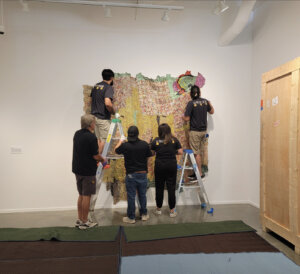

When Hurricane Helene devastated parts of North Carolina in 2024, countless art collections suffered irreversible damage; this was hardly a first. From flooding to power outages, natural disasters continue to pose significant threats to corporate art investments nationwide. The sobering reality? According to a study by Secureframe, only 54% of organizations have a company-wide disaster recovery plan in place, leaving millions of dollars in corporate art collections, among other things, vulnerable to catastrophic loss.
Your company’s art collection represents more than aesthetic value; it’s a significant business investment that requires the same strategic protection as any critical asset. This comprehensive guide will equip you with the essential knowledge and actionable steps to safeguard your collection against unexpected disasters.
Climate-Controlled Storage: Your First Line of Defense
Before diving into crisis response, the most effective disaster recovery strategy begins with prevention. Climate-controlled storage serves as your collection’s primary shield against environmental threats.
Climate control mitigates the damaging effects of temperature and humidity fluctuations that can cause irreversible harm, such as cracking, warping, and mold growth, especially in sensitive materials like wood, textiles, and paper. Professional storage facilities maintain optimal conditions with temperature stability between 65°F and 75°F and relative humidity levels of 45-55%.
The investment in climate-controlled storage pays dividends beyond disaster prevention. These sealed environments protect against dust, pollen, UV damage, and pest infiltration; threats that can accumulate over time and require expensive restoration. To ensure peace of mind and protection against theft, it is always advised to incorporate 24/7 security systems, motion detectors, and comprehensive access controls that provide additional layers of protection for the investment that has been made.
Your Corporate Art Disaster Preparedness Checklist
While many corporate art managers rely on partnerships with professionals, some are determined to DIY the management of their artwork. If that is the approach you want to take, here is a checklist you can use to improve the handling and protection of your valuable artwork.
Assessment & Documentation Phase
□ Complete Collection Inventory
- Catalog all pieces with detailed descriptions, dimensions, and current condition
- Photograph each artwork from multiple angles with high-resolution images
- Document provenance, appraisals, and insurance valuations
- Create both digital and physical backup copies stored in separate locations
□ Risk Assessment
- Identify potential threats specific to your geographic location and building
- Evaluate current storage and display environments
- Assess building infrastructure (HVAC, electrical, plumbing, security systems)
- Review proximity to flood zones, seismic activity, and severe weather patterns
Prevention & Mitigation Phase
□ Environmental Controls
- Implement climate-controlled storage with monitoring systems
- Install humidity and temperature sensors with 24/7 alerts
- Ensure backup power systems for critical climate control equipment
- Establish UV filtering for all display areas
□ Physical Protection
- Secure artworks with museum-quality mounting and framing
- Install fire suppression systems appropriate for art storage
- Implement water leak detection systems near storage areas
- Create pest control protocols with art-safe treatments
□ Security Measures
- Install comprehensive security systems with backup power
- Establish access controls and visitor management protocols
- Implement surveillance systems with off-site monitoring
- Develop partnerships with local law enforcement
Planning & Response Phase
□ Emergency Response Team
- Designate primary and backup collection managers
- Establish contact with National Heritage Responders (24/7 hotline: 202-661-8068) for expert guidance
- Create relationships with professional art conservators and handlers
- Train staff on emergency art handling procedures
□ Evacuation Procedures
- Develop prioritized evacuation lists based on value and replaceability
- Pre-position emergency packing materials and transportation resources
- Establish secure off-site storage arrangements
- Create detailed evacuation routes and timing protocols
□ Communication Strategy
- Maintain updated contact lists for all stakeholders
- Establish communication protocols with insurance providers
- Develop media relations guidelines for collection incidents
- Create notification procedures for artists, lenders, and board members
Recovery & Business Continuity Phase
□ Damage Assessment Protocols
- Utilize rapid damage assessment forms from the National Coalition for Arts Preparedness and Emergency Response (NCAPER)
- Document all damage with detailed photography before moving items
- Engage professional conservators for assessment and triage
- Coordinate with insurance adjusters and claims representatives
□ Recovery Resources
- Establish relationships with specialized art recovery services
- Maintain contracts with climate-controlled transportation providers
- Create partnerships with temporary storage facilities
- Develop vendor agreements for emergency conservation services
□ Financial Planning
- Review insurance coverage annually with art-specialized brokers/appraisers
- Understand policy exclusions and coverage limitations
- Establish emergency funding procedures for immediate response
- Document all disaster-related expenses for insurance and tax purposes
Testing & Maintenance Phase
□ Regular Drills and Updates
- Conduct quarterly disaster response exercises
- Test all monitoring and alert systems monthly
- Update contact information and procedures annually
- Review and adjust plans based on drill outcomes and industry best practices
Moving Forward with Confidence
Disaster recovery planning for corporate art collections requires ongoing commitment, but the investment protects both financial assets and cultural heritage. Investing in climate-controlled storage and comprehensive disaster planning extends the lifespan of artwork, allowing future generations to enjoy and appreciate these pieces while maintaining their cultural and monetary value.
Start with the prevention strategies, particularly climate-controlled storage, then systematically work through each checklist phase. Remember that disaster recovery planning is not a one-time project but an evolving process that adapts to new threats and changing collection needs.
Your corporate art collection represents years of careful curation and significant investment. With proper planning, professional storage solutions, and comprehensive disaster recovery protocols, you can ensure these valuable assets remain protected regardless of what challenges arise. The question isn’t whether you can afford to implement these protective measures; it’s whether you can afford not to. Ready to protect your corporate art collection? Contact Unified Fine Arts today to discuss climate-controlled storage solutions and comprehensive collection management services tailored to meet your organization’s needs.